12Aug

Learn how chain sling grade affects lifting performance, capacity, durability, and safety. Discover how to choose the right lifting equipment for UAE industries.

Choosing the right chain sling is critical for safe, efficient, and reliable lifting operations. In the UAE, where construction, oil and gas, manufacturing, logistics, and heavy engineering projects frequently involve demanding lifting applications, the grade of a chain sling can directly influence its working load limit, durability, flexibility, and overall performance.

A chain sling is more than a simple lifting accessory. Its grade determines how much load it can safely handle and how well it performs under different working conditions. Understanding chain grades helps businesses select suitable lifting equipment, reduce safety risks, and improve operational efficiency.

What Is a Chain Sling Grade?

Chain sling grade refers to the strength classification of the alloy steel chain used to manufacture the sling. Common lifting chain grades include Grade 80, Grade 100, and Grade 120, with higher grades generally offering greater strength for a given chain diameter.

For example, a Grade 100 chain can provide a higher working load limit than Grade 80 of the same nominal diameter. This can allow operators to achieve the required lifting capacity without necessarily using a larger and heavier chain.

However, the highest grade is not automatically the best choice. The appropriate grade depends on the load, lifting configuration, working environment, chain diameter, sling angle, and manufacturer specifications.

How Chain Grade Affects Lifting Capacity

One of the most important effects of chain grade is its relationship with lifting capacity.

A higher-strength chain can generally carry a greater working load within its specified limits. This is particularly useful when lifting heavy machinery, steel structures, industrial components, and other large loads.

The actual working load limit (WLL) must always be taken from the manufacturer's rated capacity charts. Factors such as sling configuration and lifting angle can significantly change the allowable capacity.

For example, a multi-leg chain sling does not necessarily have a capacity equal to simply adding the capacity of each individual leg. The sling angle creates additional forces in the legs, making correct configuration and calculation essential.

Grade 80 vs. Grade 100 vs. Grade 120

Grade 80 Chain Slings

Grade 80 is widely used for general lifting applications. It offers a practical combination of strength, durability, and availability and is commonly found in construction and industrial lifting operations.Typical applications include the following:

  • General material handling
  • Construction lifting
  • Machinery movement
  • Steel fabrication
  • Industrial maintenance

Grade 100 Chain Slings

Grade 100 provides higher strength than Grade 80 for comparable chain sizes. This can make it useful when higher lifting capacity is required while keeping the sling relatively compact.Benefits can include:

  • Higher lifting capacity
  • Efficient heavy-load handling
  • Reduced chain size for certain applications
  • Good durability for demanding industrial work

Grade 120 Chain Slings

Grade 120 represents an even higher-strength category and can provide greater capacity relative to chain size when used within approved specifications.

These chains may be suitable for specialized heavy lifting applications where high strength-to-weight performance is important. However, users should never select a Grade 120 sling simply because it has a higher grade. Compatibility with hooks, master links, fittings, lifting points, and the complete sling assembly must also be verified.

Chain Grade and Durability

Chain grade can also influence how a sling performs under demanding working conditions. Alloy steel lifting chains are engineered to withstand substantial loads, but their service life depends on more than grade alone.Factors such as:

  • Abrasion
  • Corrosion
  • Shock loading
  • Overloading
  • Improper storage
  • Excessive heat
  • Chemical exposure
  • Incorrect sling angles

can affect chain performance.

Regular inspection is therefore essential, regardless of whether the sling is Grade 80, Grade 100, or Grade 120.

Why Sling Configuration Matters

Chain grade is only one part of lifting performance. The way a chain sling is configured can have a major effect on its capacity.

Common configurations include:

Vertical hitch: The load is supported by a single vertical leg.

Basket hitch: The chain passes underneath the load, with both ends connected to the lifting point.

Choker hitch: The chain wraps around the load and tightens when tension is applied.

Multi-leg sling: Two, three, or four chain legs are connected to a master link assembly.

Each configuration has its own rated capacity. Sling angles are particularly important in multi-leg applications because smaller angles can increase tension in individual legs.

Always refer to the manufacturer's WLL chart and applicable lifting standards before performing a lift.

Choosing the Right Chain Sling for UAE Industries

UAE industries often involve demanding lifting environments, from construction sites and fabrication facilities to ports, warehouses, oil and gas operations, and industrial plants.When selecting a chain sling, consider:

  1. Load weight: Determine the actual weight of the load.
  2. Load dimensions: Consider the load's shape, center of gravity, and lifting points.
  3. Required WLL: Select a sling with an appropriate rated capacity.
  4. Chain grade: Choose a suitable grade based on the application and manufacturer specifications.
  5. Sling configuration: Account for hitch type and sling angles.
  6. Working environment: Consider heat, corrosion, abrasion, and chemical exposure.
  7. Compatible components: Ensure hooks, links, and fittings are correctly rated.
  8. Inspection requirements: Check the sling before use and follow applicable inspection procedures.

Common Mistakes When Selecting Chain Slings

Even a high-grade chain sling can become unsafe when it is incorrectly selected or used.Common mistakes include:

  • Choosing a sling based only on chain diameter
  • Ignoring the working load limit
  • Using incorrect sling angles
  • Shock loading the sling
  • Using damaged or stretched chains
  • Mixing incompatible components
  • Using a sling outside its temperature limitations
  • Continuing to use chains with excessive wear or deformation

A higher chain grade does not compensate for improper lifting practices.

Safety Should Come Before Lifting Capacity

Every lifting operation should begin with proper planning. Operators should identify the load weight, center of gravity, lifting points, required sling configuration, and environmental conditions before selecting the lifting equipment.

Chain slings should also be inspected for visible defects such as cracks, deformation, excessive wear, damaged fittings, corrosion, or other conditions that could affect safe operation.

Only trained and competent personnel should select, inspect, and operate lifting equipment according to the applicable manufacturer instructions and safety requirements.

Conclusion

The chain sling grade has a direct impact on lifting capacity, strength, and suitability for different industrial applications. Grade 80, Grade 100, and Grade 120 chains each have different characteristics, and the correct choice should be based on the complete lifting application rather than grade alone.

For businesses looking for reliable lifting equipment in the UAE, working with an experienced supplier can make it easier to select the appropriate chain sling, configuration, and accessories for the job. Apex Lifting can help businesses identify suitable lifting solutions based on their application and load requirements.

Choose the correct chain sling, verify its working load limit, inspect it regularly, and always prioritize safe lifting practices.

Frequently Asked Questions

1. What does the grade of a chain sling mean?

Chain sling grade indicates the strength classification of the alloy steel chain used in the sling. Common lifting grades include Grade 80, Grade 100, and Grade 120.

2. Is a higher-grade chain sling always better?

Not necessarily. A higher-grade chain can offer greater strength for a given chain size, but the correct choice depends on the load, sling configuration, components, working environment, and manufacturer's specifications.

3. Which chain sling grade is commonly used for lifting?

Grade 80 is widely used for general lifting, while Grade 100 and Grade 120 may be selected for applications requiring higher strength-to-weight performance. The appropriate grade should always be determined according to the required WLL and application.

4. How can I determine the correct chain sling capacity?

Determine the load weight and lifting configuration, then consult the manufacturer's WLL chart for the specific chain grade, diameter, hitch type, and sling angle. Never estimate capacity based only on chain diameter.

13Jul

Discover how nylon rope reduces wear and tear in heavy work. Learn why it's essential for reliable lifting equipment in UAE industries with Apex Lifting.

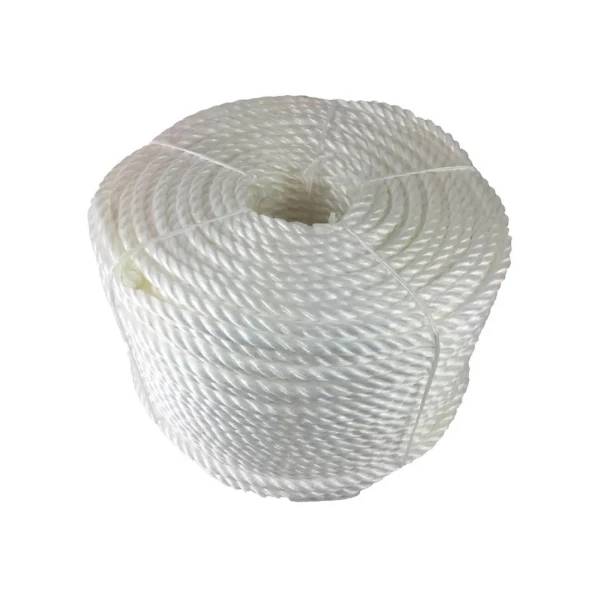
Heavy-duty industries across the UAE rely on dependable tools that can withstand demanding environments while maintaining safety and efficiency. Whether it's construction, marine operations, warehousing, logistics, or industrial manufacturing, choosing the right nylon rope can significantly reduce wear and tear on equipment, improve handling, and extend operational life. As an essential part of modern lifting equipment, nylon rope offers the durability and flexibility needed for challenging tasks.

In this guide, we'll explore how nylon rope minimizes damage during heavy work, why it outperforms many traditional alternatives, and how businesses in the UAE can benefit from investing in high-quality lifting solutions.

Why Nylon Rope Is Trusted for Heavy-Duty Applications

Nylon rope is one of the strongest synthetic ropes available today. It is engineered to handle substantial loads while maintaining flexibility and resistance to abrasion. These qualities make it a preferred choice in industries where equipment is subjected to continuous stress.

According to industry research, synthetic ropes can weigh up to 80% less than comparable steel wire ropes while delivering excellent strength. This lighter weight reduces operator fatigue, improves handling efficiency, and lowers the risk of accidental equipment damage.

Its ability to absorb shock loads also makes nylon rope particularly effective in dynamic lifting and pulling operations.

Reduces Abrasion on Equipment

One of the primary causes of equipment wear is constant friction between lifting components and rough materials. Unlike rigid metal cables, nylon rope has a smooth surface that minimizes friction during operation.This provides several advantages:


  • Protects lifting hooks, pulleys, and winches from excessive wear
  • Prevents scratches on delicate or finished surfaces
  • Reduces maintenance costs over time
  • Helps extend the lifespan of expensive lifting equipment


For businesses operating in the UAE's fast-paced industrial sector, reducing maintenance downtime directly improves productivity.

Excellent Shock Absorption

Heavy lifting often involves sudden movements, shifting loads, or unexpected impacts. Nylon rope naturally stretches under load, allowing it to absorb energy that would otherwise transfer directly to machinery.This elasticity helps:


  • Reduce stress on cranes and lifting equipment
  • Protect load-bearing hardware
  • Lower the chances of mechanical failure
  • Improve overall workplace safety


Industries such as construction and logistics frequently encounter dynamic loads, making nylon rope an ideal solution.

High Resistance to Wear in Harsh UAE Conditions

The UAE's industrial environments often expose equipment to intense sunlight, heat, dust, and moisture. High-quality nylon rope is designed to perform well even under demanding conditions.

Its resistance to abrasion and repeated bending allows it to maintain performance during daily operations.

Whether used on construction sites, warehouses, ports, or offshore facilities, nylon rope continues to deliver reliable strength while reducing long-term wear.

Lightweight Yet Extremely Strong

Traditional steel cables are durable but can be heavy, difficult to handle, and more likely to damage equipment during operation.Nylon rope offers an impressive strength-to-weight ratio, allowing workers to do the following:

  • Move materials more efficiently
  • Reduce manual handling effort
  • Improve workplace safety
  • Complete lifting tasks more quickly


This makes it an excellent complement to modern lifting equipment used throughout the UAE.

Protects Valuable Loads

Many industries handle expensive machinery, finished products, pipes, equipment, or construction materials. Using rough or rigid lifting materials can leave scratches, dents, or surface damage.The softer construction of nylon rope helps protect valuable cargo during lifting and transportation.This is particularly important for industries involving:

  • Manufacturing
  • Marine transport
  • Warehousing
  • Oil and gas
  • Construction projects


By reducing direct surface contact damage, businesses can minimize costly product losses.

Lower Maintenance and Replacement Costs

Equipment downtime is expensive. Every damaged rope or worn lifting component can interrupt operations and increase maintenance expenses.Using durable nylon rope helps reduce:

  • Frequent rope replacements
  • Equipment servicing
  • Pulley wear
  • Hardware damage
  • Unexpected operational delays


A preventive approach to selecting quality lifting materials often delivers significant long-term savings.

Works Well with Modern Lifting Equipment

Today's industrial operations rely on advanced lifting equipment to improve efficiency and safety. Nylon rope integrates well with many lifting systems due to its flexibility and dependable performance.Common applications include:

  • Material handling
  • Cargo securing
  • Construction lifting
  • Marine operations
  • Recovery and towing
  • Warehouse lifting systems


Its versatility makes it suitable for businesses of all sizes across the UAE.

Industry Experts Recommend Proper Rope Selection

Safety organizations consistently emphasize choosing ropes that match the intended load capacity and operating conditions. Regular inspections, proper storage, and timely replacement further improve performance and help prevent unnecessary wear.Selecting high-quality nylon rope from a trusted supplier ensures compliance with workplace safety standards while maximizing equipment life.

Conclusion

Choosing the right nylon rope is more than a purchasing decision—it's an investment in safety, efficiency, and equipment longevity. Its exceptional strength, shock absorption, abrasion resistance, and lightweight design make it an ideal choice for demanding industrial applications across the UAE. When paired with reliable lifting equipment, nylon rope helps reduce maintenance costs, protect valuable assets, and improve overall productivity.

For businesses looking for premium lifting solutions, Apex Lifting offers high-quality nylon rope and dependable lifting equipment designed to meet the demanding needs of industries throughout the UAE. Contact Apex Lifting today to find the right solution for your heavy-duty operations.

FAQs

1. Why is nylon rope preferred over steel wire rope for some lifting applications?

Nylon rope is lighter, easier to handle, absorbs shock loads effectively, and reduces wear on lifting equipment. It is also less likely to damage sensitive surfaces during lifting operations.

2. Is nylon rope suitable for outdoor use in the UAE?

Yes. High-quality nylon rope performs well in demanding outdoor environments and offers excellent resistance to abrasion and regular industrial use. Proper storage and maintenance further extend its lifespan.

3. How does nylon rope help extend the life of lifting equipment?

Its smooth surface and flexibility reduce friction and impact stress on pulleys, hooks, winches, and other lifting components, minimizing wear and maintenance requirements.

4. What industries commonly use nylon rope in the UAE?

Nylon rope is widely used in construction, logistics, warehousing, marine operations, oil and gas, manufacturing, transportation, and general material handling where durable and reliable lifting equipment is essential.


15Jun

Keynotes

  • Cargo lashing belts secure loads and prevent movement during transportation.
  • They help reduce product damage, financial losses, and safety risks.
  • Widely used across logistics, construction, retail, and manufacturing sectors in the UAE.
  • High-quality cargo lashing belts improve compliance with transport safety standards.
  • Apex Lifting provides reliable cargo securing solutions for businesses across the UAE.


In today's fast-paced logistics industry, ensuring the safe transportation of goods is more important than ever. Whether products are being shipped across the UAE or transported internationally, cargo security plays a critical role in protecting valuable assets. Even a minor shift in cargo during transit can lead to damaged goods, delivery delays, and significant financial losses.

This is where a cargo lashing belt becomes essential. Designed to firmly secure loads during transportation, these belts help keep cargo stable, reducing the risk of movement caused by sudden braking, sharp turns, or uneven road conditions. In this blog, we'll explore how cargo lashing belts protect valuable goods and why businesses trust solutions from Apex Lifting to keep their shipments safe.

What Is a Cargo Lashing Belt?

cargo lashing belt is a durable securing strap typically made from high-strength polyester webbing. It is equipped with ratchet mechanisms or buckles that allow users to tighten and secure loads effectively.These belts are commonly used on:

  • Trucks and trailers
  • Shipping containers
  • Flatbed vehicles
  • Warehouses and storage facilities
  • Construction and industrial transport equipment


Their primary purpose is to prevent cargo movement during transit, ensuring goods arrive at their destination in the same condition they left.

Why Cargo Movement Is a Serious Problem

Many businesses underestimate the risks associated with unsecured cargo. According to transportation safety studies, load shifting is one of the leading causes of cargo damage and transport-related accidents worldwide.When cargo is not properly secured, it can:

  • Slide during braking
  • Tip over during cornering
  • Collide with other goods
  • Damage vehicle interiors
  • Create hazards for drivers and road users


For businesses handling expensive equipment, electronics, machinery, or retail products, even a single incident can result in costly replacements and customer dissatisfaction.

How Cargo Lashing Belts Protect Valuable Goods

1. Prevent Load Shifting

The most important function of a cargo lashing belt is preventing movement. By tightly securing goods to the transport platform, the belt distributes tension evenly across the load.This stability minimizes the risk of shifting caused by vibrations, road bumps, or sudden vehicle maneuvers.

2. Reduce Product Damage

Fragile and high-value products require additional protection during transportation. Cargo lashing belts keep items securely in place, reducing impacts between packages and minimizing the chances of dents, scratches, or breakage.For businesses in the UAE's growing logistics and e-commerce sectors, protecting goods from damage directly contributes to higher customer satisfaction.

3. Improve Transportation Safety

Unsecured cargo can become a serious safety hazard. A sudden load shift may affect vehicle balance, increasing the risk of rollovers or accidents.Properly installed cargo lashing belts help maintain load stability, improving driver control and overall road safety.

4. Protect Business Reputation

Damaged deliveries can negatively impact customer trust. Clients expect products to arrive safely and on time.By using high-quality cargo lashing belts, companies demonstrate professionalism and commitment to quality service. This helps strengthen customer relationships and encourages repeat business.

5. Support Regulatory Compliance

Many transportation regulations require cargo to be properly secured before transit. Failure to comply can result in fines, shipment delays, and legal complications.Reliable cargo securing equipment from Apex Lifting helps businesses meet industry safety standards while reducing operational risks.

Industries That Benefit from Cargo Lashing Belts

Cargo lashing belts are widely used across numerous industries in the UAE, including:

Logistics and Freight

Transport companies use lashing belts to secure pallets, containers, and packaged goods.

Construction

Heavy machinery, tools, and building materials are safely transported using industrial-grade securing systems.

Manufacturing

Factories rely on cargo lashing belts to move equipment and finished products between facilities.

Retail and Distribution

Retailers use them to ensure products reach stores and customers without damage.

Choosing the Right Cargo Lashing Belt

Not all securing solutions are created equal. When selecting a cargo lashing belt, consider:

  • Load capacity requirements
  • Belt width and length
  • Ratchet quality
  • Weather resistance
  • Compliance with safety standards


Partnering with a trusted supplier such as Apex Lifting ensures access to durable, high-performance products designed for demanding transport environments.

Conclusion

A cargo lashing belt is more than just a transport accessory—it's a critical investment in cargo protection, operational efficiency, and road safety. By preventing load movement, reducing product damage, and supporting compliance, these belts play a vital role in successful logistics operations.

Whether you're transporting construction materials, retail goods, or industrial equipment, choosing quality cargo securing solutions can save time, money, and unnecessary risks.

Looking for dependable cargo securing solutions in the UAE? Contact us today to explore premium cargo lashing belts designed to keep your valuable goods safe and secure throughout every journey.


21May

 In today’s fast-paced industrial environment, efficiency and workplace safety are more important than ever. Across the UAE, industries such as construction, manufacturing, logistics, oil & gas, and warehousing rely heavily on advanced lifting solutions to streamline operations. One piece of equipment that has become essential in modern material handling is the electric chain hoist.

From reducing manual labor to improving lifting precision, electric chain hoists are transforming how businesses handle heavy loads safely and efficiently. This blog explores why UAE industries increasingly prefer electric chain hoists and how they contribute to safer and more productive workplaces.

The Growing Demand for Efficient Material Handling in the UAE

The UAE’s industrial sector continues to expand rapidly due to infrastructure development, smart manufacturing initiatives, and growing logistics networks. As projects become larger and more complex, companies require lifting equipment that can handle heavy materials with speed, accuracy, and reliability.

Traditional lifting methods often involve greater physical effort and increased safety risks. In contrast, electric chain hoists offer automated lifting capabilities that significantly reduce operational challenges. This is one of the key reasons they are widely adopted across factories, warehouses, workshops, and construction sites in the UAE.

What Is an Electric Chain Hoist?

An electric chain hoist is a powered lifting device designed to raise and lower heavy loads using a durable chain mechanism operated by an electric motor. These hoists are commonly mounted on beams, cranes, or trolleys to facilitate smooth horizontal and vertical movement.Electric chain hoists are known for their:

  • High lifting capacity
  • Compact design
  • Easy operation
  • Enhanced safety features
  • Long service life


They are available in various load capacities, making them suitable for both light-duty and heavy-duty industrial applications.

Enhanced Workplace Safety

Safety is one of the biggest reasons UAE industries prefer electric chain hoists. According to global workplace safety studies, improper manual handling contributes to a significant percentage of industrial injuries each year. Electric lifting systems help minimize these risks by reducing the need for direct physical lifting.Modern electric chain hoists include advanced safety features such as:

  • Overload protection systems
  • Emergency stop functions
  • Limit switches
  • Durable braking mechanisms
  • Heat-resistant motors


These features help prevent accidents, equipment damage, and load failures, ensuring safer working conditions for operators and nearby workers.In industries like construction and oil & gas, where heavy materials are handled daily, safety compliance is critical. Electric chain hoists help companies meet strict operational and workplace safety standards.

Improved Productivity and Efficiency

Time is a valuable resource in industrial operations. Manual lifting methods are often slower and less efficient, especially when handling repetitive tasks. Electric chain hoists speed up lifting operations while maintaining precision and control.With faster lifting and positioning capabilities, businesses can:

  • Reduce downtime
  • Improve workflow efficiency
  • Increase daily operational output
  • Handle heavier loads with ease


For example, warehouses in Dubai and Abu Dhabi frequently use electric chain hoists to move inventory quickly and safely, improving overall logistics performance.The ability to lift heavy materials smoothly and consistently also reduces worker fatigue, allowing teams to focus on other important operational tasks.

Cost-Effective Long-Term Investment

Although electric chain hoists require an initial investment, they often deliver significant long-term cost savings. Businesses benefit from reduced labor costs, fewer workplace injuries, and lower maintenance expenses.High-quality electric chain hoists are designed for durability and continuous operation, making them ideal for demanding industrial environments in the UAE. Their energy-efficient motors and robust construction help companies maximize operational value over time.Additionally, reliable lifting equipment minimizes the chances of material damage caused by improper handling, saving businesses from costly losses and delays.

Versatility Across Multiple Industries

Another major advantage of electric chain hoists is their versatility. UAE industries use them for a wide range of applications, including:

Construction Industry

Electric chain hoists assist with lifting steel structures, construction materials, and heavy machinery components safely on-site.

Manufacturing Facilities

Factories rely on hoists to transport raw materials, machinery parts, and finished products across production lines.

Warehousing and Logistics

Warehouses use electric chain hoists for loading, unloading, and organizing heavy inventory efficiently.

Oil & Gas Sector

The UAE’s oil and gas industry depends on durable lifting equipment capable of operating under demanding conditions.Their adaptability makes electric chain hoists a preferred choice for businesses seeking reliable material handling solutions.

Supporting Modern Industrial Automation

As UAE industries embrace automation and smart technologies, electric chain hoists continue to play a vital role in modern industrial systems. Many advanced hoists can integrate with cranes, automated production lines, and remote-control systems.This level of automation improves operational accuracy while reducing human error. Businesses looking to modernize their facilities often choose electric chain hoists to support long-term growth and efficiency goals.

Conclusion

The increasing use of electric chain hoists across UAE industries is driven by a clear need for safer, faster, and more efficient material handling solutions. Their ability to enhance workplace safety, improve productivity, reduce operational costs, and support industrial automation makes them an essential asset in today’s competitive market.

Whether used in construction, manufacturing, logistics, or oil & gas operations, electric chain hoists provide dependable lifting performance that businesses can trust. For companies seeking high-quality lifting solutions in the UAE, Apex Lifting stands out as a reliable brand committed to safety, durability, and industrial excellence.


14Mar

Working at height is one of the most dangerous activities across industries such as construction, oil & gas, logistics, and maintenance. In rapidly developing regions like the UAE, where high-rise buildings, industrial plants, and infrastructure projects are constantly expanding, ensuring worker safety is critical. According to global workplace safety reports, falls from height remain one of the leading causes of serious workplace injuries.

This is where a retractable fall arrester becomes an essential piece of personal protective equipment (PPE). Designed to stop falls quickly and reduce impact forces, this advanced safety device protects workers operating at elevated heights.

In this blog, we explore 10 key benefits of using a retractable fall arrester and why it has become a vital safety solution for companies focused on protecting their workforce while maintaining productivity.

1. Immediate Fall Arrest Protection

The primary advantage of a retractable fall arrester is its ability to stop a fall almost instantly. The device uses a braking mechanism that locks automatically when a sudden drop occurs.This rapid locking action significantly reduces fall distance and minimizes the risk of severe injuries.

2. Enhanced Worker Mobility

Unlike traditional lanyards that restrict movement, a retractable fall arrester extends and retracts smoothly as the worker moves.This allows workers to:

  • Move freely across work areas

  • Reach equipment easily

  • Maintain balance and stability


Improved mobility means workers can complete tasks more efficiently without compromising safety.

3. Reduced Fall Impact Force

When a fall occurs, the body experiences a strong impact force. A high-quality retractable fall arrester is engineered to absorb and distribute this force.This feature helps:


  • Protect the worker’s body

  • Reduce stress on anchor points

  • Prevent serious injuries


For industries working at heights above 5–10 meters, this safety factor is critical.

4. Increased Workplace Productivity

Safety equipment that restricts movement can slow down work. However, retractable fall arresters allow workers to move naturally while remaining protected.This results in:

  • Faster task completion

  • Better workflow efficiency

  • Reduced downtime caused by safety adjustments

Many companies in the UAE construction sector prefer this equipment because it balances safety and productivity.

5. Automatic Retraction Prevents Slack

A major risk in fall protection systems is slack in the lifeline. Excess slack increases fall distance and danger.A retractable fall arrester automatically retracts the cable or webbing, ensuring the line remains tight at all times. This minimizes free-fall distance and keeps workers safer.

6. Versatile for Multiple Industries

Retractable fall arresters are used across a wide range of industries, including:

  • Construction

  • Oil and gas

  • Warehouse maintenance

  • Telecommunications

  • Wind energy

  • Industrial maintenance


This versatility makes them a valuable safety investment for companies operating across different sectors.

7. Compliance with Safety Regulations

Safety regulations in the UAE emphasize strict fall protection measures on worksites. Employers must ensure that workers operating at height are protected with proper safety systems.Using a retractable fall arrester helps organizations comply with:

  • International safety standards

  • Workplace safety regulations

  • Industry best practices


Compliance not only protects workers but also reduces legal risks for companies.

8. Durable and Long-Lasting Equipment

Most retractable fall arresters are manufactured using high-strength materials such as:

  • Galvanized steel cables

  • Stainless steel components

  • Impact-resistant housings


These durable materials ensure long operational life even in harsh environments such as construction sites or offshore platforms common in the UAE.

9. Easy Installation and Use

Another benefit is the simplicity of installation. Retractable fall arresters can be connected quickly to:

  • Anchor points

  • Overhead structures

  • Safety lines


Workers only need to attach their harness to the device and begin work, making it a user-friendly fall protection solution.

10. Builds a Strong Safety Culture

Investing in high-quality safety equipment sends a powerful message to employees — that their safety matters.Companies that implement proper fall protection systems often experience:

  • Higher employee confidence

  • Improved morale

  • Lower accident rates


A retractable fall arrester therefore contributes not only to physical safety but also to a positive workplace safety culture.

Conclusion

Working at height always carries risks, but the right safety equipment can dramatically reduce those dangers. A retractable fall arrester offers immediate fall protection, enhanced mobility, reduced impact force, and improved productivity.For industries across the UAE — especially construction, oil & gas, and maintenance—adopting advanced fall protection solutions is not just a regulatory requirement but a responsibility toward worker safety.


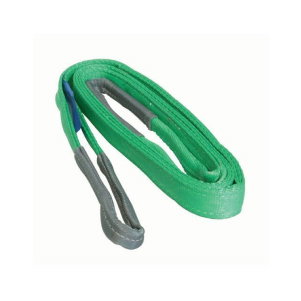
When it comes to heavy lifting in construction, manufacturing, or industrial applications, safety is paramount. Webbing slings play a critical role in ensuring the secure and efficient handling of loads. These versatile lifting tools offer a range of benefits that make them indispensable in a variety of sectors across the UAE. In this blog post, we will explore why webbing slings are essential for safe lifting, their applications, benefits, and how to choose the right supplier for your needs.

Understanding Webbing Slings

Webbing slings are lifting devices made from high-strength woven materials, typically polyester or nylon. They are designed to lift heavy loads safely and efficiently while minimizing the risk of damage to both the load and the lifting equipment. The webbing is lightweight, flexible, and strong, making it ideal for a wide range of lifting operations. Unlike chain or wire rope slings, webbing slings offer a more gentle lifting approach, reducing the chances of damaging delicate surfaces.

The Importance of Webbing Slings in the UAE

In the UAE, a country known for its rapid construction, infrastructure development, and industrial growth, webbing slings are vital for lifting heavy materials and equipment. They are used extensively in sectors like construction, logistics, and warehousing, as well as in oil and gas industries. Webbing slings provide the necessary support for lifting large loads with precision and security, even in challenging environments.Webbing slings are particularly well-suited for lifting operations in the UAE, given the country's harsh weather conditions, including extreme heat and humidity. These slings are designed to perform under tough conditions, ensuring durability and safety during every lift. Furthermore, the slings are easy to handle and flexible, making them ideal for various lifting tasks in cramped or hard-to-reach spaces.

Applications of Webbing Slings

Webbing slings are used in a wide range of industries and applications. Some common uses include

  • Construction: Lifting heavy construction materials, such as steel beams, concrete panels, and pipes.

  • Manufacturing: Moving large machinery, equipment, or heavy components within factories or assembly lines.

  • Warehousing: Facilitating the safe lifting and stacking of pallets and goods in storage facilities.

  • Oil and Gas: Handling and transporting large equipment or machinery in oil rigs and refineries.

The versatility of webbing slings allows them to be used in various configurations, such as vertical, choked, or basket hitches, depending on the lifting requirements.

Benefits of Using Webbing Slings

There are several reasons why webbing slings are essential for safe lifting operations:

  • Safety: Webbing slings distribute the load evenly across the surface, minimizing the risk of accidents or load damage. They also reduce the risk of injury to workers by providing a more stable lift.

  • Strength and Durability: Made from high-quality materials like polyester, webbing slings are designed to withstand the stresses and strains of heavy lifting operations while maintaining their integrity over time.

  • Gentle on Loads: Unlike other lifting equipment, webbing slings are soft and flexible, which means they are less likely to damage sensitive surfaces or materials during lifting.

  • Ease of Use: Webbing slings are lightweight and easy to handle, making them ideal for quick and efficient lifting operations. They are also less bulky than alternatives like chain slings, which makes them easier to store and transport.

Choosing the Right Supplier in the UAE

Selecting the right supplier for webbing slings is crucial to ensure you receive a reliable and high-quality product. Look for manufacturers and suppliers, such as Apex Lifting, that offer webbing slings made from high-strength materials and meet international safety standards. Ensure that the supplier provides a variety of sling types to suit different lifting needs and offers additional services like inspection, certification, and maintenance to keep your slings in optimal condition.

Conclusion

Webbing slings are an essential part of safe lifting operations in the UAE. Their durability, versatility, and safety benefits make them a top choice for industries dealing with heavy loads. By choosing a reliable supplier like Apex Lifting, you can ensure that your lifting operations are efficient, safe, and compliant with industry standards. Whether you're involved in construction, manufacturing, or logistics, investing in high-quality webbing slings is a smart decision for the safety and success of your business.

When it comes to industrial applications, choosing the right synthetic ropes and accessories is crucial for ensuring safety, efficiency, and durability. In the UAE, where heavy lifting and marine applications are common, selecting high-quality synthetic ropes can make a significant difference in operational success. Whether you're an engineer, contractor, or industrial buyer, understanding the factors to consider when purchasing synthetic ropes and accessories will help you make an informed decision.

Understanding Synthetic Ropes and Their Applications

Synthetic ropes are made from high-performance fibers such as nylon, polyester, or polypropylene, which provide strength, flexibility, and resistance to abrasion. These ropes are widely used in industries such as construction, shipping, oil and gas, and more. The applications vary from lifting heavy loads to securing materials in harsh environments, making it important to select the right type for each use case.The key advantage of synthetic ropes over traditional steel cables is their lightweight nature, flexibility, and resistance to corrosion. Unlike steel cables, synthetic ropes do not rust, making them ideal for use in marine environments or outdoor applications exposed to harsh weather conditions. Additionally, synthetic ropes are safer to handle because they are less likely to cause injury compared to metal ropes.

Factors to Consider When Choosing Synthetic Ropes

1. Material Strength and Durability
 The first factor to consider when selecting synthetic ropes is the material used. Nylon, for example, is known for its high tensile strength, making it ideal for heavy lifting and load-bearing applications. On the other hand, polyester ropes are preferred for applications requiring resistance to UV rays and weather conditions, such as outdoor use or marine applications. Understanding the specific needs of your project will help you determine which material offers the best combination of strength, flexibility, and durability.2. Rope Diameter and Length
 Choosing the correct diameter and length of synthetic rope is vital for ensuring safety and performance. The diameter of the rope should match the load capacity and tension requirements of the application. A thicker rope generally offers greater strength, but it may also be heavier and less flexible. Additionally, the rope length should be considered based on the distance it needs to cover and the application’s specific needs.3. Abrasion Resistance and UV Protection
 In environments where ropes are exposed to constant friction or UV rays, choosing a rope with high abrasion resistance and UV protection is essential. Some synthetic ropes come with coatings or additives that improve their durability against abrasion and UV damage, making them more suitable for long-term outdoor or marine use. This ensures that the rope will maintain its strength and flexibility over time, even in harsh environments.4. Accessories for Enhanced Performance
 Synthetic ropes are often paired with various accessories to enhance their functionality and performance. Accessories such as rope connectors, winches, pulleys, and shackles ensure that the ropes can be securely fastened and used safely in lifting and towing operations. Choosing high-quality accessories that are compatible with the selected rope material and application will maximize the rope’s performance and safety.

Choosing a Reliable Supplier in the UAE

Selecting the right supplier for synthetic ropes and accessories is just as important as choosing the right product. A reputable supplier ensures that you receive high-quality materials that meet safety standards and are designed to last. In the UAE, where the demand for industrial-grade lifting equipment is high, companies like Apex Lifting Trading LLC offer a wide range of synthetic ropes and accessories designed to meet the needs of various industries. With their expertise in providing durable and reliable lifting solutions, Apex Lifting Trading LLC is a trusted name for sourcing top-tier synthetic ropes in the region.

Conclusion

When selecting synthetic ropes and accessories in the UAE, it is essential to consider the material, strength, diameter, length, and environmental conditions of your project. By understanding these factors and working with a trusted supplier, you can ensure that your industrial operations run smoothly and safely. Remember to choose a reliable manufacturer, like Apex Lifting Trading LLC, to provide high-quality synthetic ropes and accessories tailored to your specific needs.

17Dec

This is a generic blog article you can use for adding blog content / subjects on your website. Edit your Blog articles from the Pages tab by clicking the edit button.

When it comes to heavy-duty industrial operations, the choice of rope is never a small decision. From construction sites and marine environments to lifting, rigging, and logistics, the right rope directly impacts safety, efficiency, and cost. Two of the most commonly compared options are PP rope and nylon rope. While both are widely used across industries, their performance differs significantly depending on the application. Understanding these differences helps engineers, contractors, and procurement managers make the right choice for demanding workloads.

Understanding PP Rope and Nylon Rope

PP rope, short for polypropylene rope, is a lightweight synthetic rope known for its resistance to moisture and chemicals. It is commonly used in marine, construction, and industrial handling applications where exposure to water and chemicals is frequent. Nylon rope, on the other hand, is a high-strength synthetic rope valued for its elasticity, abrasion resistance, and shock-absorbing properties. It is often used in applications that involve dynamic loads or sudden impacts.Both ropes serve heavy-duty purposes, but their material properties determine how well they perform under specific conditions.

Strength and Load Performance

For heavy-duty lifting and static load applications, PP rope offers an excellent strength-to-weight ratio. It is strong enough for many industrial uses while remaining lightweight and easy to handle. This makes PP rope particularly suitable for tasks such as cargo handling, safety lines, and general rigging where ease of use and efficiency matter.Nylon rope generally has a higher tensile strength than PP rope of the same diameter. It also stretches under load, which allows it to absorb shock effectively. This elasticity makes nylon rope ideal for applications like towing, mooring, and lifting operations where sudden forces can occur. However, this stretch can be a disadvantage in precision lifting or load positioning, where minimal elongation is preferred.

Durability and Environmental Resistance

One of the biggest advantages of PP rope is its resistance to water. It does not absorb moisture and continues to float, making it a preferred choice for marine and offshore operations. It also performs well in environments exposed to chemicals, oils, and acids, which are common in industrial settings. These properties contribute to a longer service life when used outdoors or in harsh conditions.Nylon rope, while extremely durable, absorbs water over time. This can slightly reduce its strength and increase its weight, especially in marine or humid environments. However, nylon excels in abrasion resistance and performs well on rough surfaces or where constant friction is involved. For indoor or controlled environments, this durability can be a significant advantage.

Weight, Handling, and Cost Considerations

Weight plays a crucial role in heavy-duty operations, especially where ropes are frequently moved, installed, or replaced. PP rope is much lighter than nylon rope, which reduces handling fatigue and improves operational efficiency. Its lighter weight also lowers transportation and storage costs.From a cost perspective, pp rope is generally more economical than nylon rope. This makes it an attractive option for large-scale industrial buyers who require reliable performance without exceeding budget constraints. Nylon rope, while more expensive, justifies its cost in applications where shock absorption and higher tensile strength are critical.

Application Suitability in Heavy-Duty Industries

In construction, warehousing, and general industrial lifting, PP rope is widely used due to its balance of strength, durability, and affordability. It is commonly chosen for guidelines, safety ropes, cargo bundling, and marine operations where water exposure is unavoidable.Nylon rope is better suited for heavy-duty applications involving dynamic loads, such as crane operations, towing, anchoring, and mooring systems. Its ability to absorb energy reduces stress on equipment and improves overall safety in high-impact scenarios.

Choosing the Right Rope Supplier or Manufacturer

Selecting the right rope is only part of the equation. Working with a reliable manufacturer or supplier ensures consistent quality, proper load ratings, and compliance with industry standards. A trusted supplier will also guide buyers on rope specifications based on application requirements, safety factors, and environmental conditions.In the UAE, where industries like construction, oil and gas, marine, and logistics demand high-performance lifting and rigging solutions, sourcing quality ropes is essential. Companies such as Apex Lifting are known in the region for providing industrial-grade lifting products that meet demanding operational needs, making supplier reliability just as important as product selection.

Final Thoughts: Which Rope Is Better for Heavy-Duty Use?

There is no single winner in the PP rope vs nylon rope debate. The better choice depends entirely on how and where the rope will be used. PP rope stands out for water resistance, lightweight handling, and cost-effectiveness, making it ideal for many heavy-duty industrial and marine applications. Nylon rope excels in strength, elasticity, and abrasion resistance, making it the preferred option for dynamic and high-impact operations.For industrial buyers and contractors in the UAE, the key is to match the rope’s properties with the application requirements and partner with a reliable manufacturer who understands local industry demands. Choosing the right rope from a trusted supplier ensures safety, efficiency, and long-term value in heavy-duty operations.

I BUILT MY SITE FOR FREE USING